
01 · Perspective
Build perception through sound and touch, not sight.
A VR navigation experience uses spatial audio, touch, and limited vision to make accessibility part of the player’s route.
- ListenLocate soundDirection + movement in space
- InvestigateExplore by contactHands · cane · tactile paving
- NavigateChoose the next stepBuild a mental map of the route
Implementation details
The experience limits visual information and asks players to build a mental model of the environment using spatial audio, controller vibration, a white cane, and tactile paving.
Hands become a way to read surfaces, while sound traces movement and reveals the space beyond the visible frame.
02 · Interaction
The world is revealed through contact.
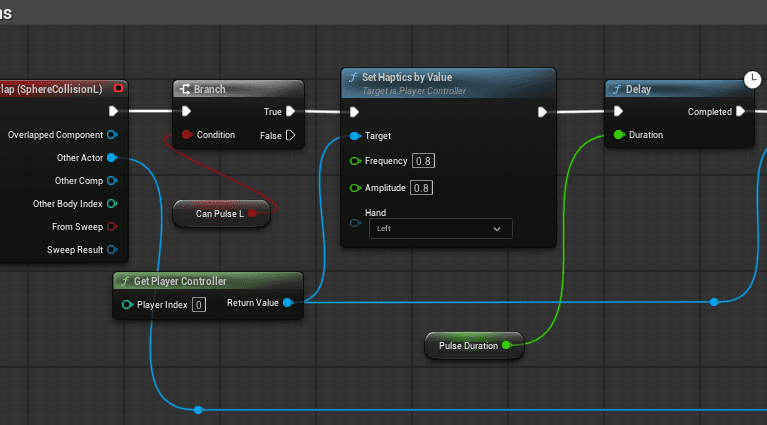
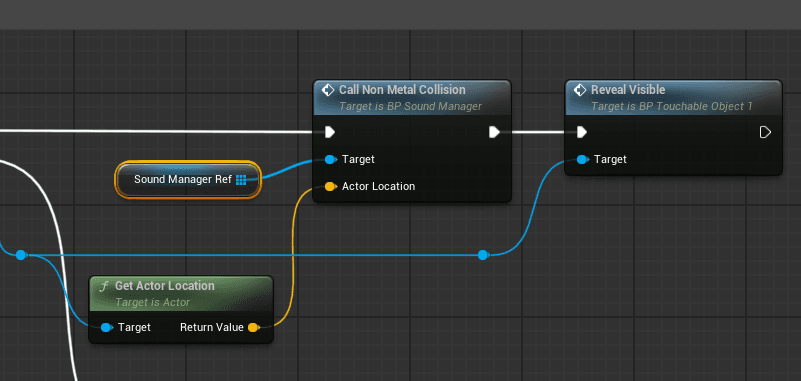
Contact links a haptic pulse, a local visual reveal, and a material sound cue.
Implementation details
Reveal-on-touch mechanics expose nearby geometry only when the player physically investigates it. Haptic feedback turns controller contact into a substitute for texture, while sound cues and assistance guide navigation across the levels.
- Controller vibration communicates contact and proximity
- Spatial audio establishes direction and movement
- Limited vision makes accessibility mechanics foundational
03 · Intent
A city can exclude people through everyday design failures.
Blocked tactile paving and barriers to guide-dog access become obstacles the player encounters, making everyday accessibility failures concrete.
Implementation details
The game draws attention to tactile paving that is blocked, inconsistent, or poorly designed and to public systems that restrict guide dogs. By placing those failures inside the player's route, the experience turns abstract accessibility problems into obstacles that must be felt and navigated.